Retainers After Braces: The Step That Protects Everything You Just Paid For
Reviewed by Dr. Christine Esposito, Board-Certified Orthodontist at Sunset Children’s Dentistry · Updated October 12, 2026
Retainers after braces are not an optional add-on. Teeth are held in bone by fibers that have spent months or years being stretched into a new position, and those fibers pull back. A retainer is what stops them.
Relapse is the single most common reason adults end up in orthodontic treatment twice. It is also almost entirely preventable, and the prevention costs a fraction of re-treatment.
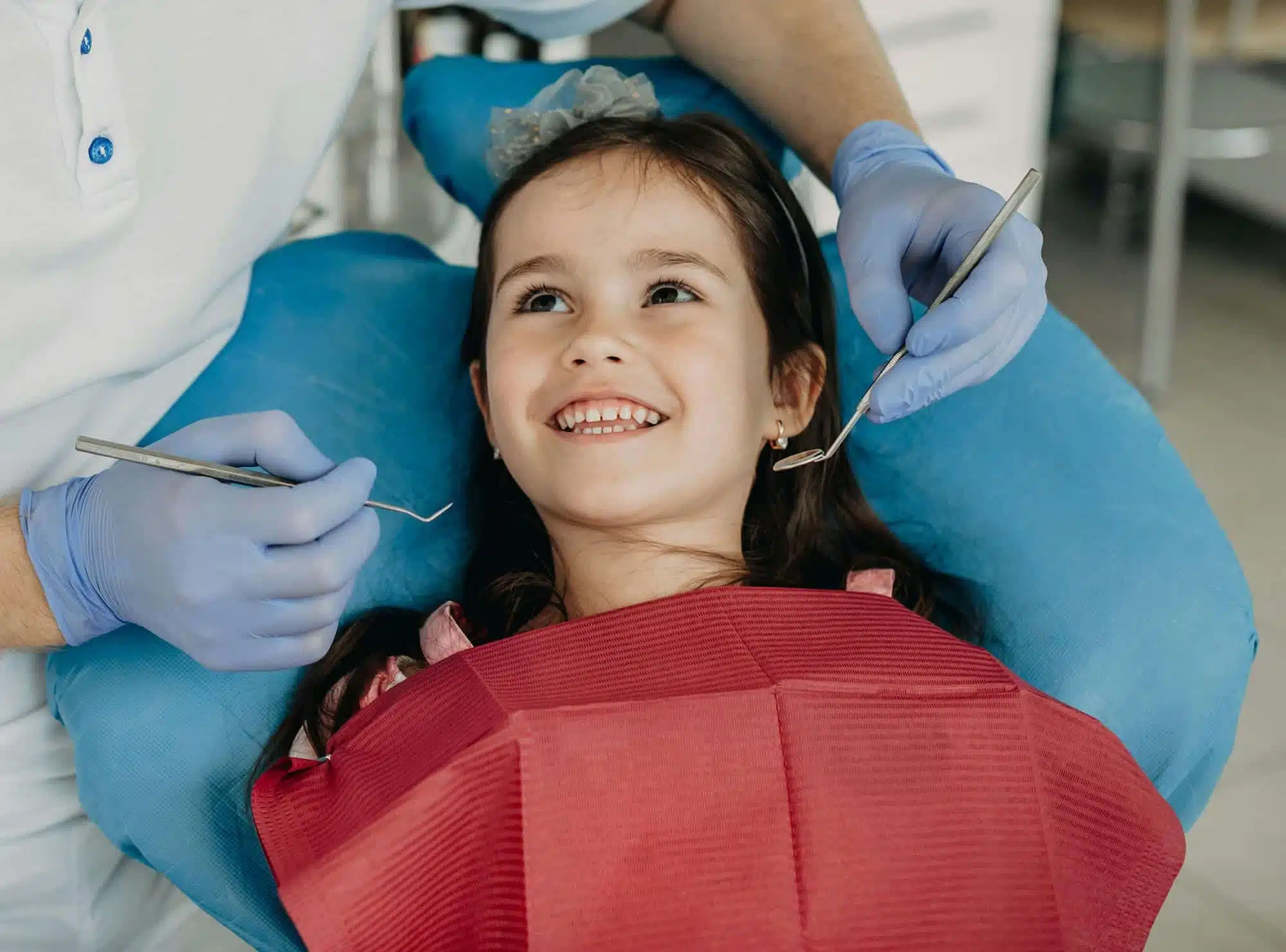
Which retainer is best after braces?
Clear removable retainers are easy to clean, and bonded wire retainers stay in place behind the front teeth. At Sunset Children’s Dentistry in Lexington, board-certified orthodontist Dr. Christine Esposito recommends the type that fits your teen’s teeth and habits. Learn more about orthodontic care at Sunset Children’s Dentistry.
There is no universally best retainer, and the clear retainer vs wire retainer decision depends on what was corrected, how much relapse risk your case carries, and honestly, how likely you are to wear something removable.
Many patients end up with a combination — a bonded wire behind the lower front teeth, and a removable retainer on top.
- Clear removable retainers: nearly invisible, comfortable, easy to lose; replaced more often
- Hawley wire retainers: highly durable, adjustable, more visible; often last many years
- Bonded (permanent) retainers: a thin wire fixed behind the front teeth, nothing to remember
- Combination approach: bonded lower plus removable upper is a common, reliable setup
- Wear schedule matters more than type: the best retainer is the one actually worn
- Replacement is normal: retainers wear out; budget for occasional replacement

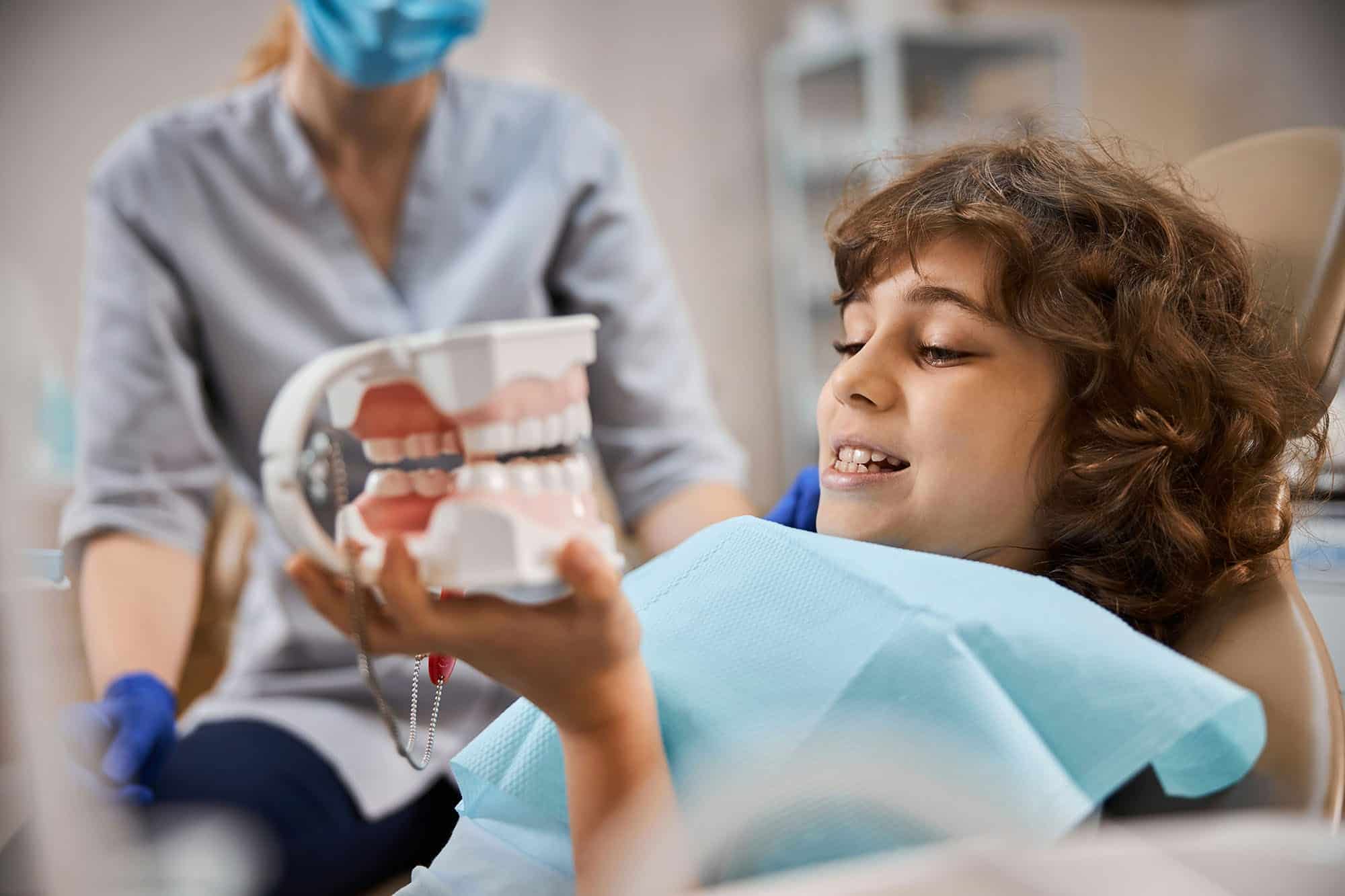
How do I keep my teeth straight after braces?
Wear your retainer exactly as directed, clean it daily, keep it in its case when it is out, and bring it to every checkup. Sunset Children’s Dentistry checks the fit and replaces lost or broken retainers quickly.
Retainer failure is rarely dramatic. It is a few missed nights that become a few missed weeks. These rules prevent almost every relapse case we see.
STEP 1
Debond Day
Braces are removed and the adhesive is polished off. We scan the same day, because teeth begin moving within hours and a retainer made from older records will not fit properly.
STEP 2
Fitting and Instructions
Your retainer is fitted and checked for comfort and seating. We walk you through the wear schedule, cleaning, and what to do if it is lost — and we put it in writing so nobody has to remember it.
STEP 3
Follow-Up Checks
We see you periodically through the first year to confirm the retainer still fits and the result is holding. These visits catch small shifts while they are still easy to correct.
STEP 4
Long-Term Retention
After the first year, nightly wear continues indefinitely. Bring your retainer to routine dental visits so we can check its fit. Preventive Care →
Why do I need to wear a retainer?
Teeth tend to shift back after braces, especially in the first year. A retainer holds them in their new position, and Sunset Children’s Dentistry usually advises full-time wear at first, then nightly wear long term.
Consistent retention protects your investment and your time.
No Second Round of Braces
Re-treatment is the most expensive consequence of skipped retainer wear, and the most common. A replacement retainer costs a small fraction of what a second course of orthodontics does.
A Bite That Stays Functional
Retention preserves the bite relationship, not just the front teeth people notice. That protects against the uneven wear and chipping a drifting bite gradually reintroduces.
Easier Cleaning, Long-Term
Teeth that stay aligned stay easier to floss and brush. Crowding that creeps back reintroduces exactly the plaque traps that make decay and gum disease more likely.
Peace of Mind
Wearing a retainer at night is a small, automatic habit. Once it is established, protecting the result stops requiring any thought at all.
Why Get Your Retainers From Sunset Children’s Dentistry?
Retainers from Sunset Children’s Dentistry are fitted and checked by board-certified orthodontist Dr. Christine Esposito, and lost or broken retainers can be replaced quickly.
We fit retainers for our own orthodontic patients and for patients who finished treatment elsewhere and need a replacement. If you have lost a retainer and your original orthodontist has moved or closed, you do not need to start over — call us.
Retainers are made from a current scan of your teeth as they are today, which matters if any drift has already happened.
- Same-day fitting on the day braces are removed
- Lost retainer replacement for outside patients, including those treated at other practices
- Digital scanning for accurate fit without messy impressions
- Clear written instructions for wear, cleaning, and replacement
- Board-certified orthodontist overseeing retention planning
- Retainer checks built into routine dental visits at the same office

Dr. Christine Esposito
Board-certified Orthodontist in Lexington, SC
Frequently Asked Questions
What patients ask most once the braces come off.
Does insurance cover retainers?
Many orthodontic plans include the first retainer, and replacement costs vary by plan. Sunset Children’s Dentistry explains retainer costs before your braces or aligners come off.
Retainers are included in the cost of comprehensive treatment at our office. Replacements are billed separately, and we keep retainer cost for Lexington, SC families as low as we reasonably can because we would rather you replace it than go without.
Included With Treatment
Your first set of retainers is part of your quoted treatment cost, not an added charge at the end.
Areas We Serve Near Lexington, SC
We fit and replace retainers for patients from across Lexington County and the Midlands, including families from:
- Lexington, SC (our office at 5080 Sunset Blvd)
- West Columbia & Columbia
- Red Bank
- Oak Grove
- Gilbert