Complete Orthodontic Care, Start to Finished Smile
Comprehensive orthodontic treatment is full correction — every tooth, both arches, and the way your bite comes together. It is what most people mean when they say “braces,” and it is the stage that follows once all the permanent teeth are in, usually somewhere between ages 11 and 15, though adults start every week.
At Sunset Children’s Dentistry in Lexington, SC, Dr. Christine Esposito plans and delivers these cases personally. You get one specialist from the first scan to the day the brackets come off.
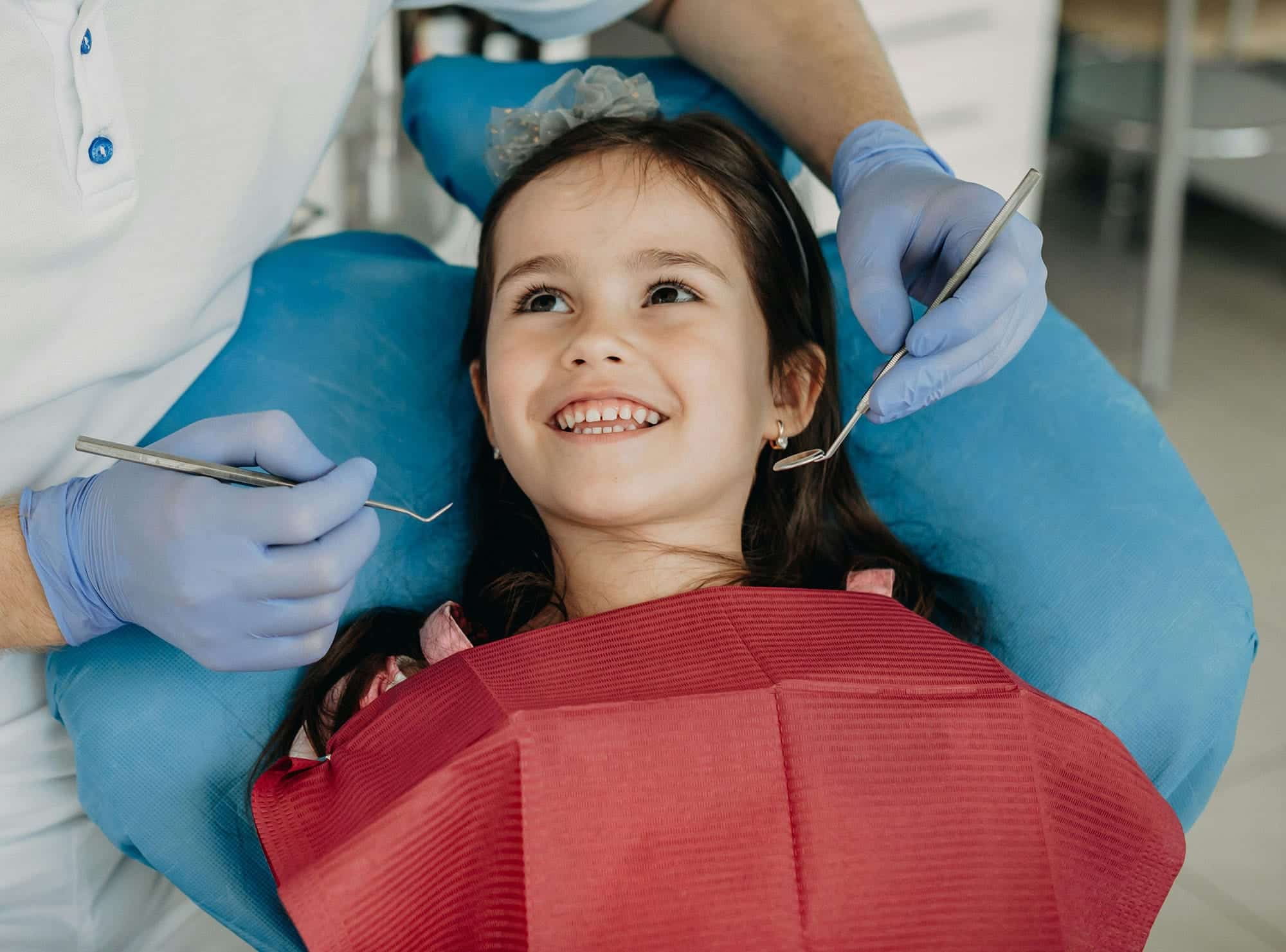
How Comprehensive Orthodontic Treatment Differs from Early Care
Early treatment fixes one specific problem while a child is still growing. Comprehensive treatment does everything: alignment, spacing, rotation, and the bite relationship between upper and lower jaws. It is the difference between steering growth and finishing the job.
Some patients do both — a short Phase I around age eight, then full treatment as teenagers. Many do only this. Which one you need depends on what we see on the scan, not on a formula.
- Both arches, every tooth: upper and lower are treated together so the bite actually functions
- Bite correction included: overbite, underbite, crossbite, and open bite are addressed, not just crowding
- Your choice of appliance: metal braces, clear aligners, or a combination that changes mid-treatment
- Typical duration: most cases run 18 to 30 months, and we tell you your estimate up front
- One specialist throughout: the same orthodontist plans and finishes your case
- Retention built in: retainers are part of the plan and the quote, not a surprise at the end

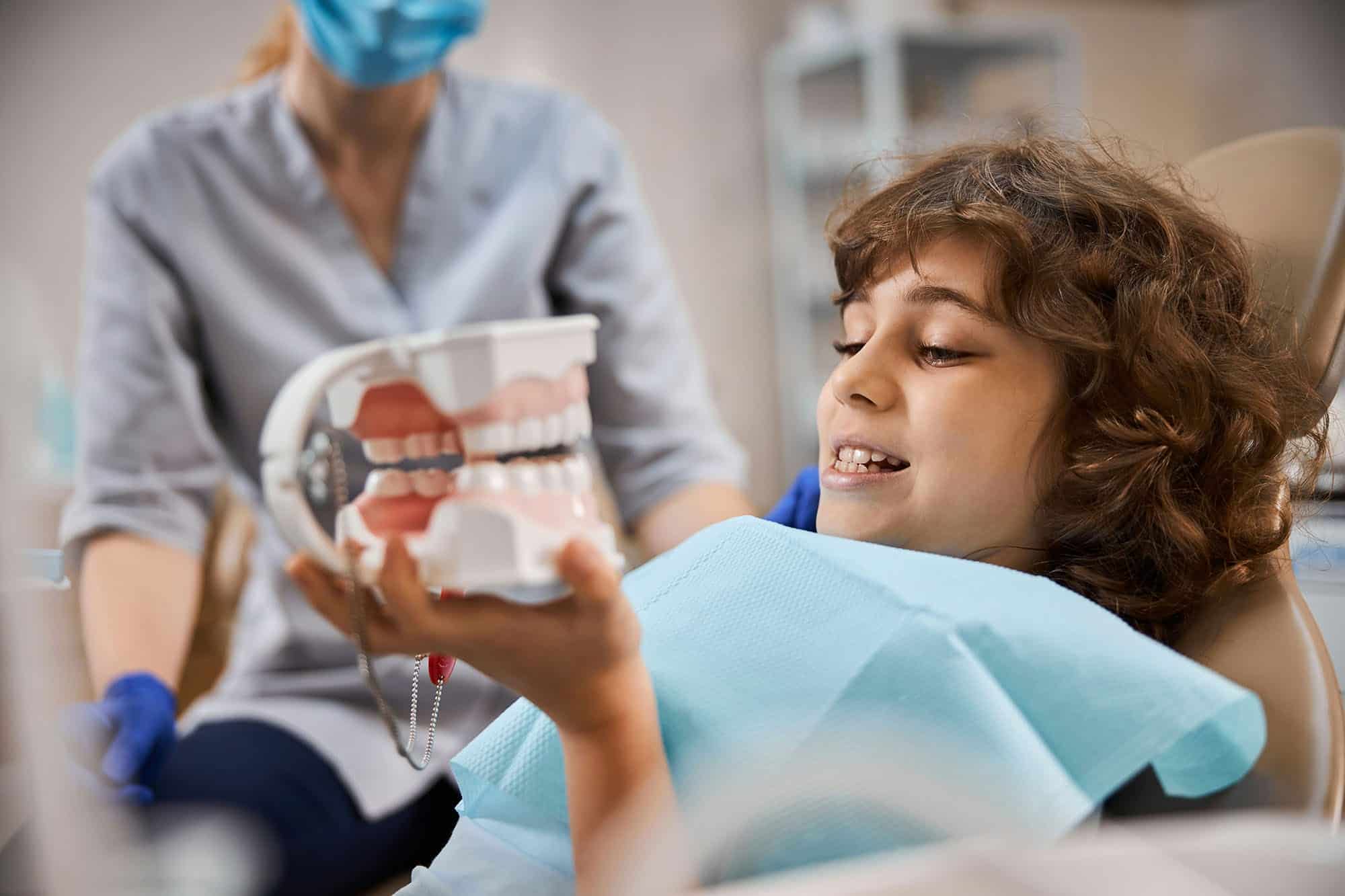
Learn More About Comprehensive Orthodontics at Sunset Children’s Dentistry
Treatment looks different depending on who is in the chair. A twelve-year-old and a thirty-eight-year-old can need the same correction and have completely different priorities. These guides break it down by patient.
STEP 1
Free Consultation
Dr. Esposito examines your bite and tells you whether comprehensive treatment is the right call. If your child is too young, we will say so and put you on a no-cost growth-monitoring recall instead of starting something early.
STEP 2
Digital Records and Diagnosis
We take a 3D scan, photographs, and any needed x-rays, then diagnose the specific problems — crowding, spacing, and how the jaws relate to one another. This is where a specialist’s training matters most, because the plan is built here.
STEP 3
Your Treatment Plan and Quote
You will see the recommended appliance, the estimated timeline, and the full cost including retainers, in writing. We go over insurance and payment options in the same visit, so you can decide without a follow-up call.
STEP 4
Active Treatment
Braces go on or aligners are delivered, then you visit every six to ten weeks. Appointments are short. Between visits, you have a direct line for loose brackets, poking wires, and lost trays.
STEP 5
Debond and Retention
The appliances come off, we polish everything, and you leave with retainers the same day. We then see you periodically for the first year to confirm the result is holding.
More Than Straighter Teeth
A corrected bite changes how you chew, speak, clean your teeth, and carry yourself.
A Bite That Works
Straight teeth that do not meet correctly still cause problems. Correcting the bite relationship reduces uneven wear, jaw strain, and the chipping that comes from teeth hitting at the wrong angle.
Easier to Keep Clean
Crowded and overlapping teeth trap plaque where a brush cannot reach. The ADA notes that alignment problems raise the risk of decay and gum disease — straightening them makes daily hygiene genuinely easier.
Confidence That Sticks
Teens stop covering their mouths in photos. Adults stop thinking about it in meetings. It is the benefit patients mention most at their final appointment, and it lasts far longer than treatment did.
Protecting the Investment
Treatment is a real expense. Building retention into the plan from day one is how that expense stays a one-time cost instead of a repeat one a decade later.
Why Choose Sunset Children’s Dentistry for Comprehensive Orthodontics?
Dr. Christine Esposito is a Diplomate of the American Board of Orthodontics — a voluntary certification that fewer than half of practicing orthodontists complete. She earned her dental degree at the University of Pennsylvania and completed her orthodontic residency at UNC Chapel Hill, and she received the American Association of Orthodontists’ Thomas M. Graber Award for her research on bone-anchored maxillary protraction.
She also spent four years practicing general dentistry in the U.S. Air Force before specializing, which means she understands the whole mouth, not just the brackets on it.
- Board-certified specialist: Diplomate, American Board of Orthodontics
- Specialist training: UNC Chapel Hill orthodontic residency, University of Pennsylvania dental degree
- Recognized research: AAO Thomas M. Graber Award recipient
- Integrated care: pediatric dentistry and orthodontics in one Lexington location
- Professional memberships: AAO, ADA, Southern Society of Orthodontists, SC Dental Association
- Transparent pricing: full cost, including retainers, quoted before treatment begins
For general background on treatment types and timing, the American Dental Association maintains a plain-language overview of braces and orthodontic treatment.


Dr. Christine Esposito
Board-certified Orthodontist in Lexington, SC
Frequently Asked Questions
The questions Lexington parents and patients ask most before starting full treatment.
Explore Costs & Affordability
Orthodontic treatment is a significant investment, and vague pricing helps no one. We quote the full cost — including retainers — before treatment begins, and we go over payment options in the same visit.
Payment Plans
In-house monthly payment plans spread treatment cost across the length of care. Terms and down payment are reviewed at your consultation.